言語


A High-frequency Transformer plays a crucial role in modern electronic systems, especially in switching power supplies, renewable energy equipment, industrial automation, and communication devices. Unlike traditional power transformers operating at low frequencies such as 50Hz or 60Hz, high-frequency transformers operate at tens of kilohertz to several megahertz, allowing for compact size, higher efficiency, and improved energy conversion.
In this comprehensive guide, we will explore how high-frequency transformers work, their core structure, materials, advantages, common applications, and design considerations. We will also explain how manufacturers like Haoer produce reliable high-frequency transformers for modern electronic devices.
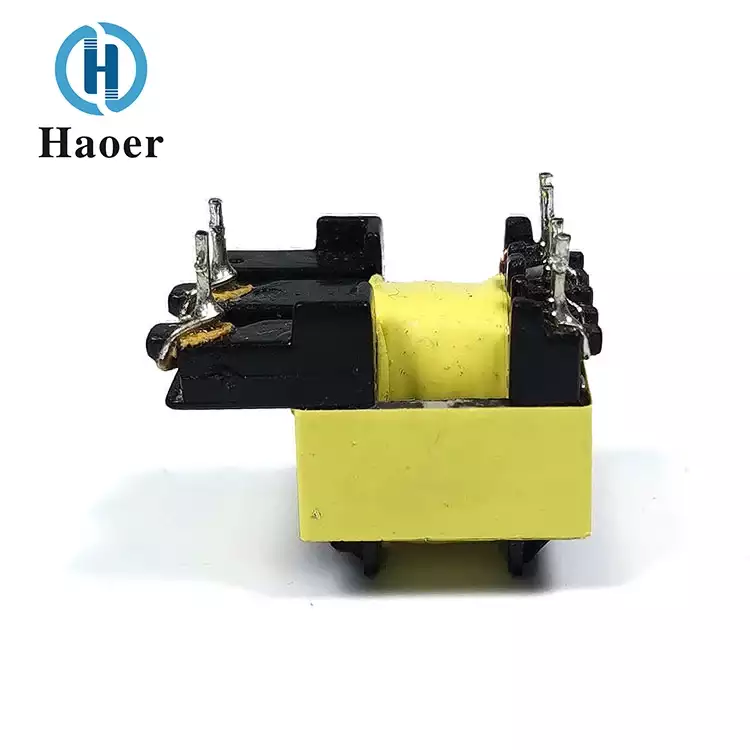
A High-frequency Transformer is a type of transformer designed to operate at frequencies much higher than traditional power transformers. These transformers typically function in the range of 20kHz to several MHz, making them ideal for compact power conversion systems.
They are widely used in devices such as:
Because of their ability to transfer energy efficiently at higher frequencies, these transformers are essential components in modern power electronics.
For example, manufacturers such as Haoer specialize in producing high-performance transformers designed for compact and energy-efficient electronic devices.
The operating principle of a high-frequency transformer is based on electromagnetic induction. When alternating current flows through the primary winding, it creates a varying magnetic field inside the transformer core. This magnetic field induces voltage in the secondary winding.
However, the key difference lies in the frequency of operation.
Because the frequency is high, the transformer core can be significantly smaller while maintaining high efficiency.
A high-frequency transformer consists of several critical components that determine its performance and reliability.
| Component | Function |
|---|---|
| Magnetic Core | Transfers magnetic flux between windings |
| Primary Winding | Receives input electrical energy |
| Secondary Winding | Outputs transformed electrical energy |
| Insulation Layer | Prevents electrical breakdown |
| Bobbin / Frame | Supports winding structure |
The careful design of these components ensures optimal electrical isolation, efficiency, and durability.
High-frequency transformers are available in several configurations depending on application requirements.
| Transformer Type | Typical Application |
|---|---|
| Flyback | Low to medium power adapters |
| Forward | Industrial power supplies |
| Push-Pull | DC-DC converters |
| Full-Bridge | High-power systems |
Selecting the correct topology is essential for achieving optimal performance and energy efficiency.
Compared with conventional transformers, high-frequency transformers offer numerous advantages.
These benefits make them indispensable in compact electronic devices and energy-efficient systems.
High-frequency transformers are used in a wide range of industries due to their efficiency and compact design.
| Industry | Example Equipment |
|---|---|
| Renewable Energy | Solar inverters |
| Consumer Electronics | Laptop chargers |
| Telecommunications | Network power modules |
| Automotive | EV onboard chargers |
Designing a high-frequency transformer requires careful engineering to ensure performance and safety.
Proper design ensures high efficiency and reduces energy losses caused by core hysteresis and eddy currents.
Material selection directly impacts the performance of the transformer.
| Material | Characteristics |
|---|---|
| Ferrite | Low core loss at high frequency |
| Powdered Iron | High saturation flux density |
| Nanocrystalline | Excellent efficiency and stability |
Ferrite cores are the most widely used due to their low loss characteristics at high frequencies.
Selecting the appropriate transformer requires evaluating several technical parameters.
Working with experienced manufacturers like Haoer ensures the transformer design matches your exact application needs.
The demand for high-frequency transformers continues to grow as industries adopt more advanced electronic systems.
As technologies such as electric vehicles, renewable energy systems, and AI computing infrastructure expand, the role of high-frequency transformers will become even more critical.
High-frequency transformers generally operate between 20kHz and several MHz, which is significantly higher than traditional power transformers.
Higher frequencies allow energy transfer using smaller magnetic cores, resulting in compact and lightweight designs.
Ferrite cores are widely used due to their low power loss and excellent performance in high-frequency applications.
They are commonly found in switching power supplies, EV chargers, renewable energy systems, communication equipment, and industrial control devices.
Look for manufacturers with strong engineering capabilities, strict quality control systems, and customization expertise. Companies such as Haoer provide high-quality high-frequency transformers designed for various industries.
High-frequency transformers are essential components in modern power electronics, enabling efficient energy conversion in compact and high-performance devices. From renewable energy systems to telecommunications infrastructure, their applications continue to expand as technology evolves.
By understanding their structure, operation principles, materials, and design considerations, engineers and businesses can make better decisions when selecting the right transformer for their systems.
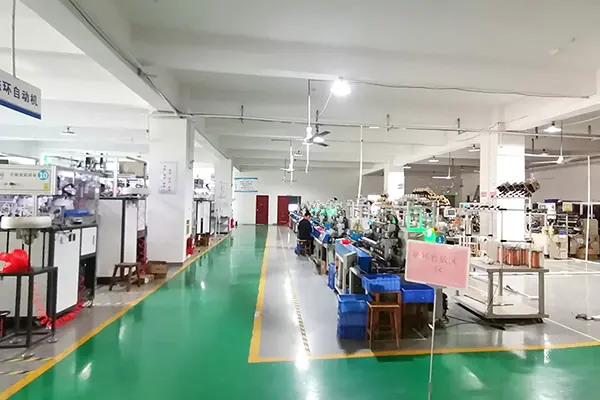
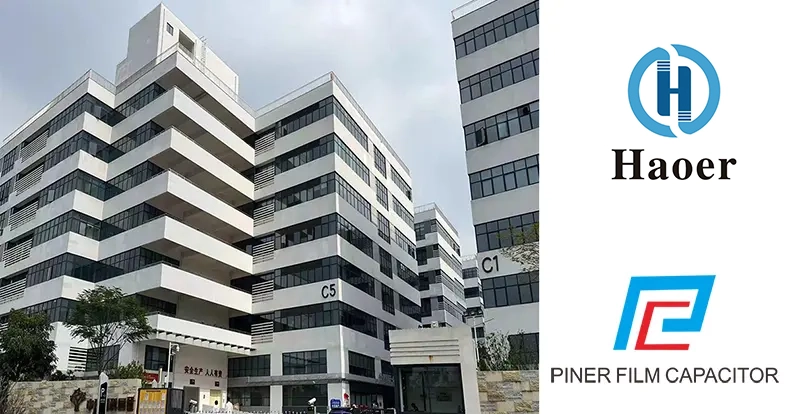
If you are looking for reliable and customizable transformer solutions, Haoer offers professional manufacturing experience and advanced production capabilities to support a wide range of electronic applications.
For more product information or customized transformer solutions, contact us today to discuss your project requirements and discover how our high-quality high-frequency transformers can enhance your electronic systems.