言語


In today’s fast-evolving electronics industry, efficiency, compact size, and reliability are critical. EQ High-Frequency Transformer Custom Processing plays a vital role in meeting these demands across switch-mode power supplies (SMPS), LED drivers, communication devices, and industrial automation systems.
This in-depth guide explores how customized EQ transformers enhance power conversion efficiency, reduce EMI, improve thermal management, and ensure long-term operational stability. You will learn about materials, design principles, manufacturing processes, application fields, and selection tips — all structured to support engineering decisions and procurement strategies.

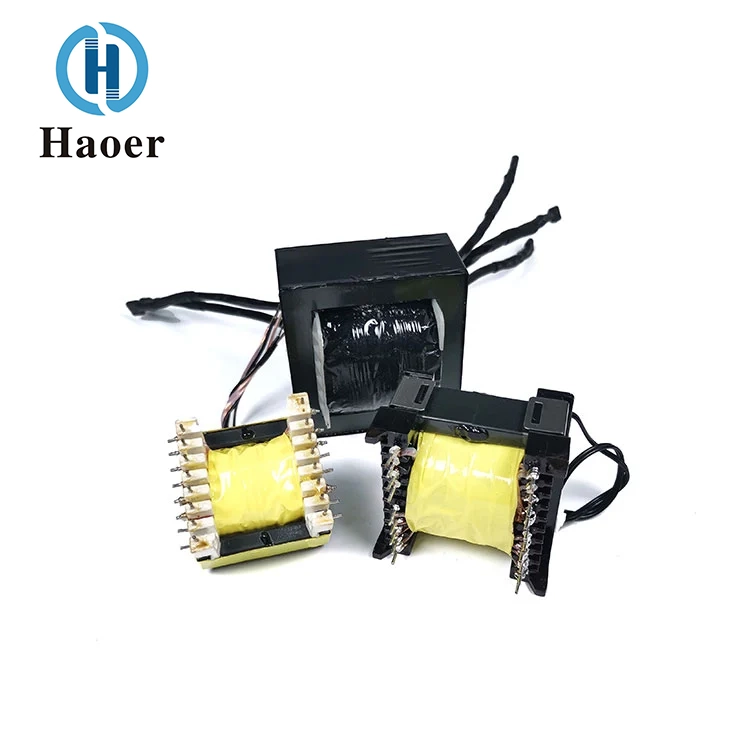
An EQ high-frequency transformer is a magnetic component designed using an EQ-shaped ferrite core structure. Unlike standard off-the-shelf transformers, custom processing involves tailoring parameters such as:
Custom processing ensures the transformer matches the exact electrical and mechanical requirements of the application. Companies like Haoer specialize in precision transformer customization for industrial and commercial systems.
The EQ core geometry offers several engineering advantages:
These features make EQ cores ideal for switching frequencies typically ranging from 20kHz to 500kHz. High-frequency operation reduces transformer size while maintaining power density — a key factor in modern compact electronics.
Material selection directly impacts performance. Most EQ transformers use high-grade ferrite materials due to their low core loss at elevated frequencies.
| Material Type | Frequency Range | Core Loss | Typical Application |
|---|---|---|---|
| Mn-Zn Ferrite | 20kHz – 300kHz | Low | SMPS, LED Drivers |
| Ni-Zn Ferrite | 300kHz – 1MHz | Very Low | Telecom Equipment |
| Powder Core | Below 100kHz | Moderate | Industrial Power Units |
The right material ensures:
When performing EQ High-Frequency Transformer Custom Processing, engineers must optimize:
Custom design reduces inefficiencies caused by generic components.
The manufacturing workflow typically includes:
Each stage is critical for ensuring:
| Feature | Standard Transformer | Custom EQ Transformer |
|---|---|---|
| Efficiency | 85–90% | Up to 95%+ |
| Thermal Stability | Moderate | Optimized |
| EMI Performance | Basic | Enhanced Shielding |
| Size Optimization | Limited | Application-Specific |
| Longevity | Standard | Extended |
EQ high-frequency transformers are widely used in:
Customization ensures optimal compatibility with industry-specific voltage and frequency requirements.
Energy efficiency improvements come from:
A well-designed custom EQ transformer can significantly reduce overall system energy consumption, supporting sustainability goals and regulatory compliance.
High-frequency switching often generates electromagnetic interference (EMI). Custom processing allows:
Thermal management strategies include:
These measures extend operational life and reduce maintenance costs.
When selecting a supplier, consider:
Working with an experienced manufacturer like Haoer ensures professional consultation, prototype development, and mass production consistency.
Most EQ high-frequency transformers operate between 20kHz and 500kHz, depending on material and design.
Custom transformers optimize efficiency, reduce heat, and ensure perfect compatibility with system requirements.
Larger cores handle higher power but increase size. Optimized sizing balances efficiency and compact design.
Yes. Through shielding, winding optimization, and proper insulation techniques.
Renewable energy, industrial automation, EV charging, telecom, and medical device manufacturing.
EQ High-Frequency Transformer Custom Processing is not just about component manufacturing — it is about system optimization. By tailoring magnetic design, materials, and structure, businesses can achieve:
If your project demands high performance, stability, and energy efficiency, partnering with a professional manufacturer like Haoer can make a measurable difference.
Looking for expert engineering support and precision manufacturing solutions? Contact us today to discuss your custom EQ high-frequency transformer requirements and discover how tailored design can elevate your power system performance.